

Health emergencies rarely send a polite warning. A sudden allergic reaction, heart issue, injury, power outage during a heatwave, or even a natural disaster can turn everyday life upside down in minutes. The difference between panic and calm often comes down to one factor: preparation.
Build a Smart Home Health Emergency Kit
Start with a dedicated, clearly labeled “Health Go-Bag” stored where you can grab it in under 60 seconds. Essentials to include:
- Basic first aid supplies: bandages, gauze, tape, antiseptic wipes, scissors, tweezers, gloves, and a thermometer.
- Prescription medications: at least a 7–14 day supply, plus copies of prescriptions.
- Over-the-counter remedies: pain relievers, antihistamines, anti-diarrheal, antacids, and any blood-type-friendly supplements you rely on (such as digestive enzymes or targeted probiotics).
- Medical devices: spare glasses/contacts, glucometer strips if diabetic, inhalers, or EpiPens.
- Hydration and nutrition: electrolyte packets, protein bars, and foods that align with your Blood Type Diet for sustained energy without digestive stress.
- Tools: flashlight, extra batteries, multi-tool, emergency blanket, and a whistle.
For those following personalized nutrition approaches like The Blood Type Diet, consider how stress and disrupted routines affect digestion and immunity. Stock familiar, supportive foods that travel well — nuts, compliant protein sources, or green tea for its calming L-theanine effect — so your body stays resilient when routines break.
Special Considerations by Blood Type
Emergencies amplify individual differences. Type O individuals may handle physical trauma better, but can struggle with blood clotting in certain scenarios. Type A people often benefit from stress management techniques to avoid immune overreaction. Type B and AB benefit from maintaining stable blood sugar. Having blood-type-appropriate items in your kit (such as specific supplements or foods) can make recovery smoother.
Bromelain in Action
I'm a big fan of Bromelain, the enzyme from pineapples, in emergencies. Bromelain is a potent, natural proteolytic enzyme that delivers powerful support for joint comfort and tissue recovery. Long ago, I had a wonderful, but somewhat thick-headed, old Swedish gentleman who, despite his family's pleas, continued working as a building inspector well into his eighties. One day, I received an anxious phone call from his daughter. He had fallen down a flight of stairs and was refusing to go to the hospital.
Thinking quickly, I threw some bromelain into my bag and headed to the house. There he lay sprawled on the floor like a discarded rag doll, smiling weakly. We managed to get him into a chair, and I began giving him bromelain every half hour. Within four hours, he was walking home unattended.
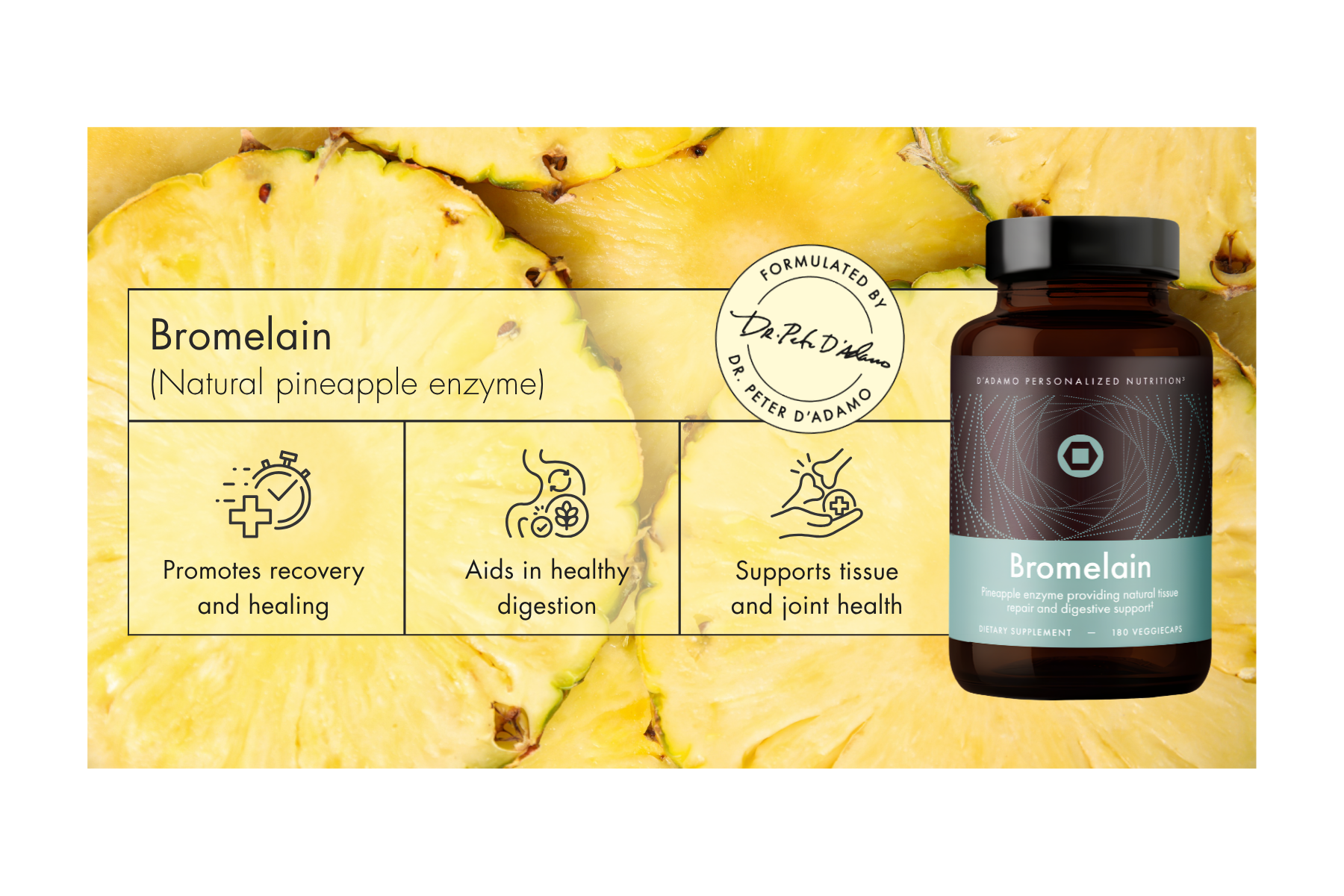
The little-known trick with bromelain is that it works best at the very beginning of the injury. Over time, a different mechanism kicks in, and it is not as responsive to bromelain support.