

Your body has a built-in cellular cleanup crew. It is called autophagy, from the Greek for "self-eating," and while that sounds alarming, it is one of the most important maintenance processes supporting healthy cells. Every cell in your body accumulates debris over time: misfolded proteins, worn-out components, and damaged structures that no longer function properly. Autophagy is the process that collects cellular junk, packages it, and recycles it. When autophagy runs well, cells stay clean and functional. When it slows down, as it tends to do with age, the debris piles up.
Trehalose is a naturally occurring sugar found in mushrooms, certain plants, and some bacteria, and it has one property that has excited researchers: in laboratory studies, it is one of the most-studied natural triggers of autophagy identified to date.
What Makes Trehalose Different
Most compounds studied for their effect on autophagy work by blocking a protein called mTOR, a central hub in cellular metabolism. The drug rapamycin works this way, as do fasting and certain dietary interventions. mTOR suppression has been widely studied but comes with trade-offs, as mTOR also governs important processes such as muscle protein synthesis.
Trehalose appears to take a different route in these studies. It does not act on mTOR directly. Instead, research suggests it works through the lysosomal system, the cellular machinery responsible for breaking down and recycling waste. In cell studies, trehalose enters cells and causes mild, transient stress on lysosomes, triggering a small release of calcium. That calcium signal has been shown to activate a protein called calcineurin, which in turn activates a regulatory switch called TFEB.
TFEB appears to be a key player in this pathway. When activated in these models, it moves into the cell nucleus and switches on genes associated with building new autophagosomes (the collection bags that gather cellular debris), increasing lysosomal activity, and supporting the broader cleanup process. Researchers have observed enhanced clearance of protein aggregates and damaged mitochondria in these lab models, without the trade-offs associated with mTOR suppression.
Why Researchers Are Interested
Autophagy naturally declines with age, and scientists are studying its role across a range of areas of cellular biology. In preclinical models, researchers have looked at what happens when protein aggregates build up in brain cells, when damaged cells and inflammatory debris build up in blood vessel walls, and when kidney cells struggle to clear oxidative damage. In these lab and animal models, restoring autophagy has been associated with measurable effects on cell health.
It's important to be clear about what this research does and doesn't show: these are cell and animal studies, not human clinical trials, and they do not establish that trehalose — or any supplement containing it — treats, prevents, or cures any disease in people. The specific effects documented in this preclinical research include reduced protein aggregation in cells, changes in mitochondrial function, reduced markers of oxidative damage, and improved cell survival under conditions of nutrient deprivation in lab models. There is also early research suggesting trehalose may help restore autophagy signaling in high-glucose lab conditions, which researchers find notable given how strongly excess glucose is known to suppress cellular cleanup processes in vitro.
The Practical Picture
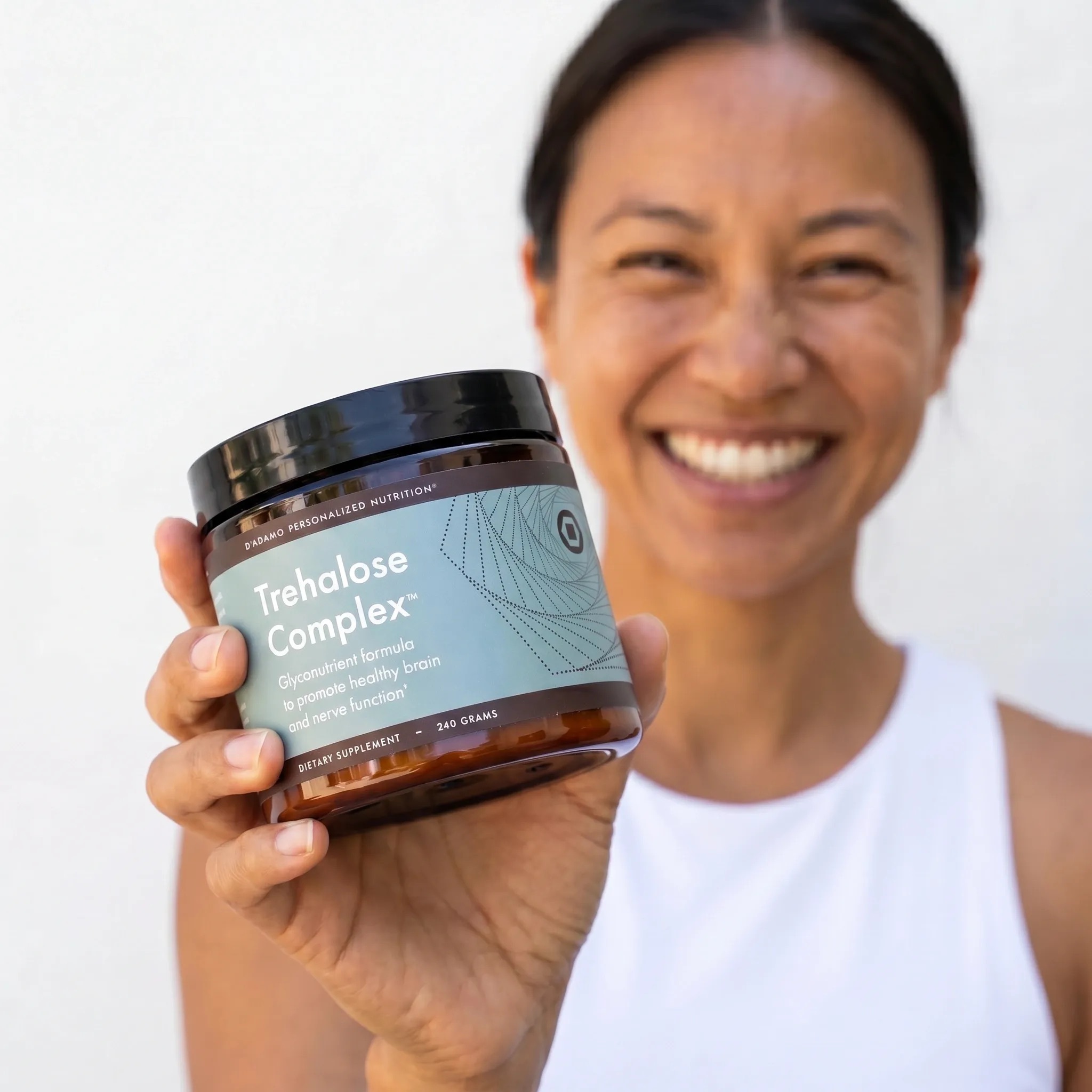
Trehalose is available as our supplement, Trehalose Complex™, formulated for people interested in supporting the body's natural cellular maintenance processes as part of a healthy lifestyle. The research summarized above was conducted on the compound trehalose in cell and animal studies — it was not conducted on this product, and results in lab models do not guarantee results in people.
Most of the evidence on trehalose and autophagy comes from cell and animal studies, and human clinical research is still limited. The preclinical findings are of ongoing scientific interest, and trehalose's mechanism (via the lysosomal/TFEB pathway rather than mTOR) is distinct from other compounds studied in this space. As with any dietary supplement, individual results will vary, and trehalose has not been studied for its effects on any specific disease in humans.
For anyone interested in supporting the body's own cellular maintenance and renewal processes as those processes naturally slow with age, trehalose is one of the compounds researchers are actively studying. Sometimes your cells just need a good spring cleaning, and this sugar is one of the tools scientists are studying to help start one.
Ever wonder how fish and amphibians, who are cold-blooded, survive deep winter freezes? Some species accumulate trehalose in their fluids, which helps stabilize their proteins in place so that when they warm up, cellular function can resume.

|
|