

Your liver is quietly doing one of the most important jobs in your body around the clock. Everything you eat, drink, breathe, or absorb through your skin eventually passes through it. Medications, hormones your body made and no longer needs, pesticide residues, alcohol, food additives — the liver handles all of it. The way it does this job involves two distinct stages, and a handful of nutrients can make a real difference in how well those stages function.
Stage One: Making Toxins Reactive
The first stage of liver detoxification is basically a chemical modification process. The liver uses a large family of enzymes called cytochrome P450 to metabolize fat-soluble compounds. Fat-soluble substances are tricky to eliminate because they tend to park themselves in fatty tissues and stick around. The liver's first job is to make them more water-soluble so the body can eventually flush them out through urine or bile.
Here is the catch, though. Stage One does not actually neutralize anything. It transforms toxins into intermediate forms that are often more chemically reactive and potentially more damaging than the original substance. Think of it like cutting open a sealed container before you have a disposal bag ready. You have to move fast to the next step, or things get messy.
When Stage One is working hard, but Stage Two cannot keep up, those reactive intermediates pile up and cause oxidative stress, which is essentially cellular damage driven by unstable molecules ricocheting around looking for something to react with. This is why the two stages need to stay in balance.
Stage Two: Locking Toxins Down for Removal
Stage Two is where the actual neutralization happens. Liver enzymes grab those reactive intermediates from Stage One and attach water-soluble molecules to them in a process called conjugation. Once tagged, the compounds become stable and water-soluble enough to leave the body through urine or bile into the digestive tract as salts.
There are several conjugation pathways, each handling different types of compounds. One processes hormones like estrogen. Another handles many common drugs. Another neutralizes some of the most dangerous reactive compounds using a molecule called glutathione. Another is critical for managing neurotransmitters and heavy metals like arsenic.
When everything is running smoothly, Stage Two keeps pace with Stage One and the whole system hums along. When the raw materials run short or when the gut undermines the process after the fact, problems develop. That is where specific nutrients come in.
Keeping Glutathione Stocked With Redoxa™
NAC stands for N-acetylcysteine, and its main value in this context is that it provides cysteine, the key building block the liver needs to manufacture glutathione. Glutathione is a small protein made from three amino acids, and the liver produces it in higher concentrations than almost anywhere else in the body, because it gets used up so fast.
Think of glutathione as the liver's primary cleanup crew. It directly neutralizes some of the most dangerous reactive compounds produced in Stage One. The problem is that the liver can only make as much glutathione as its cysteine supply allows, and cysteine is often the limiting factor. A poor diet, chronic stress, alcohol use, heavy medication loads, or significant toxin exposure can all drain cysteine faster than the body replaces it.
Redoxa™ is formulated to replenish this supply directly, supporting the glutathione pathway under everyday oxidative load. Pharmaceutical-grade NAC has been studied in acute clinical settings for its ability to restore glutathione quickly — a different use case, dose, and delivery method than a daily dietary supplement. For everyday purposes, NAC is useful for anyone under significant oxidant burden: people on multiple medications, smokers, heavy drinkers, or those seeking to support normal liver function.
Stopping the Recycling Problem with DetoxiCal-D™
One of the major Stage Two pathways bundles toxins and hormones into packages and ships them into bile for elimination through the gut. This should be a one-way trip. But certain bacteria in the intestine produce an enzyme called beta-glucuronidase that snips open those packages and releases the compounds back into circulation. Estrogens are a major casualty of this recycling loop, which is one reason this pathway gets a lot of attention in discussions of hormonal balance.
Calcium D-Glucarate, the main nutrient in DetoxiCal-D™, breaks down into a compound that inhibits beta-glucuronidase, helping keep those disposal packages sealed until they leave the body. It does not directly affect what the liver is doing; it protects the liver's finished work from being undone downstream.
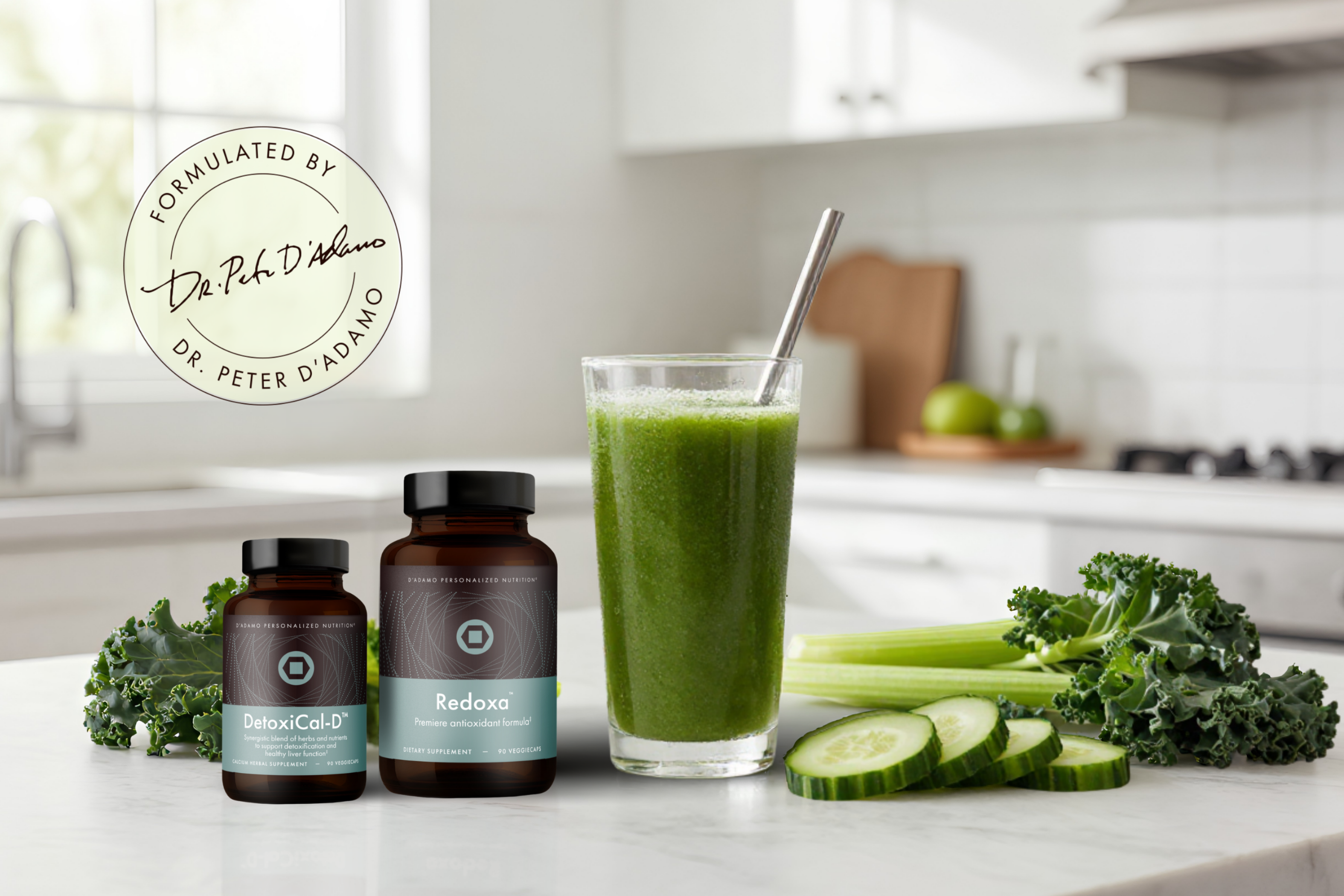
Explore DetoxiCal-D™ |
Explore Redoxa™ |
|
| (Calcium D-Glucarate and Phyllanthus Amarus Complex) | (N-Acetyl Cysteine (NAC), Lungwort, Magnolia Bark, Horehound, Mullein, Glutathione) | |
|
Helps enhance the body's natural detoxification abilities, supports healthy hormone levels, and supports liver function. |
Helps replenish the liver's glutathione supply, supports respiratory function, and supports healthy immune response. |
The Bottom Line
NAC helps feed the glutathione system, so the liver has what it needs. Redoxa supports the direct neutralization work in Stage Two, while DetoxiCal-D helps make sure that what the liver packages for disposal gets disposed. Each targets a different part of the process, and together they support each stage of the body's natural detoxification pathway.
These statements have not been evaluated by the Food and Drug Administration. This product is not intended to diagnose, treat, cure, or prevent any disease.
