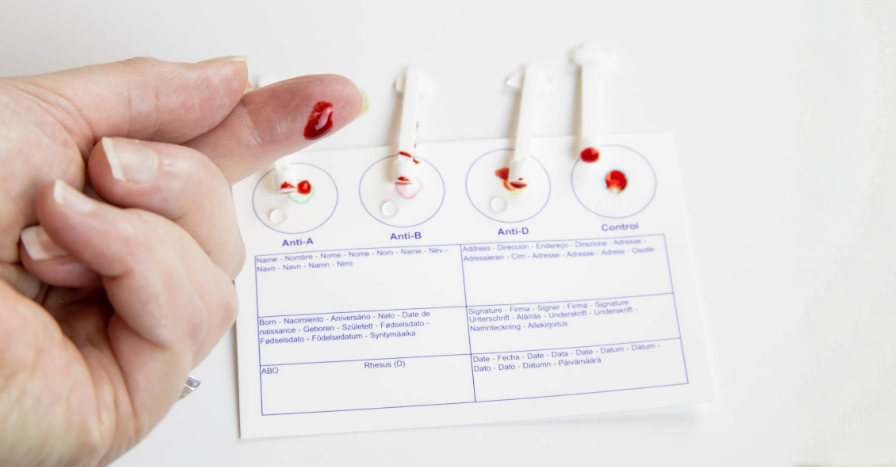
The ABO blood group, that simple A, B, AB, or O scrawled on your donor card, is a working museum of nearly every way that life edits its own genetic code. In one small stretch of DNA, the ABO system manages to display the full repertoire of genetic variation. To understand your blood type is to hold a lens up to how the basis of heredity operates.
The letters are instructions. ABO type is determined by a single gene that tells the body how to decorate the surface of its cells with tiny sugar structures. Think of a cell as a ball studded with microscopic antennae. The ABO gene codes for an enzyme, a molecular tool, whose job is to place a particular sugar on the tip of each antenna. Which sugar it places is what makes you A, B, AB, or O. That single decision ripples outward into your immune system, your digestion, and, as decades of research have explored, your susceptibility to certain conditions.
These differences between A, B, AB, and O are not variations on a single theme. They are produced by three entirely different kinds of genetic change, the three great categories that geneticists use to describe how DNA is altered. Most traits show you one of these mechanisms. ABO shows you all of them at once.
The single-letter swap (types A versus B). DNA is written in an alphabet of just four chemical letters. Sometimes a single letter is substituted for another, a change geneticists call a single-nucleotide variation, or SNP (pronounced “snip”). It is the smallest possible edit, like changing one character in a word. The A and B blood types differ by just a handful of these tiny swaps. Those few changed letters retune the enzyme so that it places a slightly different sugar, enough to make an A person and a B person biochemically distinct. This is the most common form of human genetic variation, the kind that accounts for most of the small differences between any two people. In ABO, it is on plain display in the A/B distinction.
The deletion that changes everything (type O). Type O is produced by a completely different and more dramatic event. Somewhere back in ancestral time, a single DNA letter was dropped from the gene. This does not sound like much, but the genetic code is read in three-letter chunks, like a sentence with no spaces that only makes sense if you group the letters correctly. Remove one letter and every group after it shifts. The reading frame slides over by one, and from that point on the instructions become gibberish. Geneticists call this a frameshift mutation, and it is one of the most consequential errors a genome can suffer. The mutations are often lethal, but in the case of O, the frameshift harmlessly switches the enzyme off. The O person builds the antennae but never decorates them, carrying just the base structure. Type O is defined by a broken instruction, faithfully inherited for tens of thousands of years.
The both-at-once (type AB). Type AB has its own way of doing things. These folks carry two copies of the ABO gene, one from each parent. An AB person inherits an A instruction from one parent, and a B instruction from the other, and instead of one silencing the other, both are expressed simultaneously. The body makes both enzymes, decorates its cells with both sugars, and the result is a genuine blend. Geneticists call this co-dominance, and it is relatively rare to see it demonstrated so cleanly. AB is two genetic voices speaking at the same time, both heard.
In this one small, universally testable system, nature has laid out its three master techniques side by side: the delicate single-letter retuning that distinguishes A from B, the catastrophic frameshift that creates O, and the harmonizing co-dominance that produces AB. Point mutation, deletion, and dual expression, the entire grammar of inheritance, legible in a test you can take with a drop of blood.
This is why the ABO system is such an extraordinary foundation for understanding individuality. Most genetic markers reveal one narrow thing. ABO is different in kind. It is a variation system that spans the whole spectrum of how genomes differ, and it does so in a trait that is ancient, stable, and present in every human being who has ever lived. It sits at the crossroads of immunity, digestion, and evolutionary history, not by coincidence, but because a marker this fundamental has had a hand in shaping how our ancestors survived plagues, famines, and migrations.
You are who you are because your genome, like everyone’s, is the product of these three kinds of change accumulating across deep time. The ABO system simply lets you see it, clearly, personally, and in your own blood. And I haven’t even broached the subject of those pesky opposing blood type antibodies. But I will soon.