

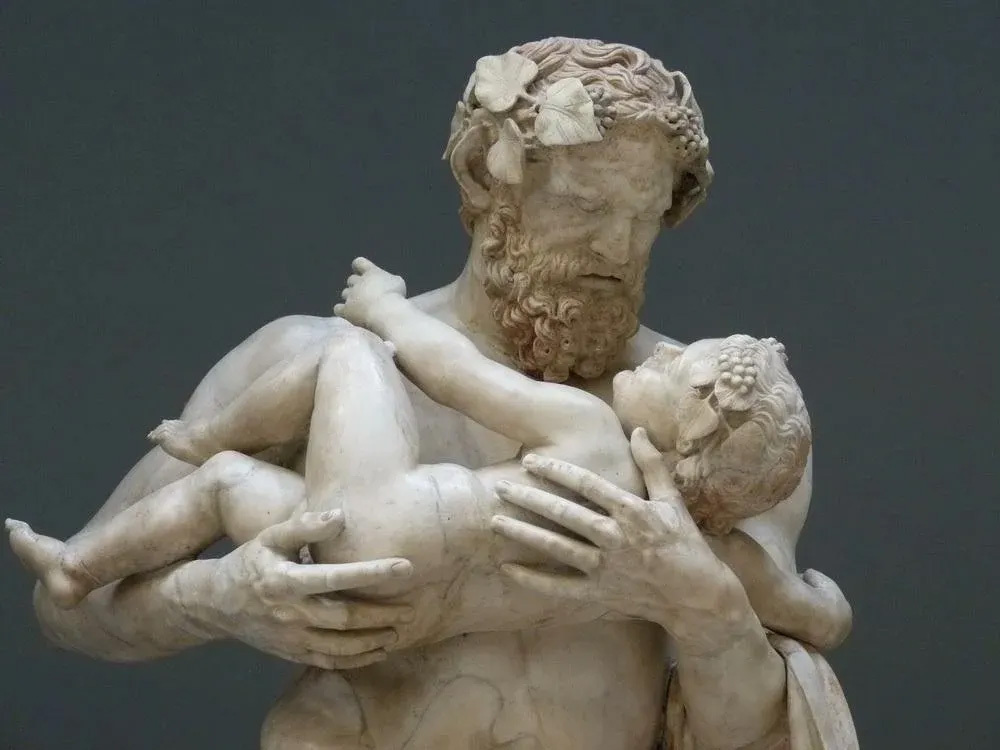
'Pater Noster' (Latin, 'Our Father') is the opening words of and traditional name for the Lord's Prayer, the central prayer of Christianity taught by Jesus to his disciples.
Pater noster, qui es in caelis, sanctificetur nomen tuum...
It continues through forgiveness, daily bread, deliverance from evil, and closes with a doxology in many traditions. Many people find the Pater Noster a grounding prayer precisely because it asks for daily sustenance, forgiveness, and deliverance from fear, all within a framework of trust in something greater than oneself.
The Pater Noster sits at the heart of a culture that is simultaneously experiencing a deep hunger for, and a crisis of, fatherhood. Psychologists and theologians alike have noted that how a person relates to their earthly father profoundly shapes how they relate to:
-
- Authority
- Trust
- Spiritual life
- Their own identity
When fatherhood is absent, broken, or abusive, people often struggle to receive the prayer's opening words at all. 'Our Father' can feel hollow, frightening, or meaningless. This means the crisis of fatherhood is also a spiritual and psychological crisis, not merely a social one.
Perhaps the crisis of fatherhood is also an invitation for men to rediscover that being a father, whether biological, spiritual, or communal, is one of the most meaningful things a human being can do. The Pater Noster endures because it points to an archetype of fatherhood so complete, so loving, and so just that humanity has been reaching toward it for two thousand years.
A man must honestly face his own wounds, particularly those inherited from his own father, grieve what was lost, and take responsibility for who he is becoming rather than remaining a prisoner of his past. Then he can show up for his children with genuine presence, emotional availability, and the kind of steady love that makes him safe to come to.
Beyond his own household, an exceptional father extends himself into the community, learning from older men and investing in those who come after him. He shows up, builds rather than merely consumes, protects without domination, and orients his life toward something higher than his own comfort or appetite.
And in that faithfulness, however imperfect, he becomes part of the answer to one of the deepest longings of our time.
Happy Father's Day.